The Complete Wedding Photography Timeline Guide
How to Plan a Stress-Free Wedding Day Timeline That Leaves Room for the Moments That Matter
By Jenna DeVille Photo + Film
Planning a wedding comes with what feels like an endless list of decisions. From choosing a venue and booking vendors to finding the perfect dress, every choice helps shape your day. But there is one part of wedding planning that often gets overlooked until the last minute—your wedding day timeline. As a Louisiana wedding photographer, I can confidently say that your timeline has a bigger impact on your wedding photos than almost anything else. The most beautiful weddings aren’t necessarily the most expensive or the most extravagant. They’re the weddings where the couple has time to breathe, laugh together, hug their grandparents, dance with friends, and simply enjoy the day they spent months planning. When your timeline is rushed, everything feels rushed. Hair and makeup run behind, family portraits become stressful, the reception starts late, and suddenly the day feels like it flew by before you had a chance to soak it all in. A well-planned timeline changes everything. It creates room for genuine moments instead of rushed ones. It allows you to enjoy your wedding instead of constantly wondering what’s next. This guide will walk you through every part of a wedding day, explain how much time each portion typically needs, and help you build a timeline that feels relaxed while allowing your photographer to document every meaningful moment. Whether you’re planning an intimate wedding with thirty guests or a celebration with three hundred, these recommendations will help you make the most of your day.
⸻
Why Your Wedding Timeline Matters More Than You Think
Many couples assume photography simply fits into whatever schedule already exists. In reality, your timeline and your photography work together. Photography isn’t just about taking pictures. It’s about documenting real moments as they naturally unfold. The more breathing room your timeline has, the more authentic your gallery becomes. Instead of feeling rushed from one location to another, you’ll have time to laugh with your bridal party, hold your partner’s hand for a few quiet moments, hug family members, and enjoy the celebration you’ve worked so hard to create. Those in-between moments often become the most treasured photographs.
⸻
What Determines How Much Photography Time You Need?
Every wedding is unique. Several factors influence how much time you’ll want to reserve for photos.
For example your guest count. A wedding with fifty guests moves very differently than one with three hundred guests.
Larger weddings often require:
- More family combinations
- Larger wedding parties
- Longer ceremony exits
- More reception events
- Additional travel between locations
⸻
Multiple Locations
Will everyone get ready at the venue? Or will the bride and groom prepare at separate locations before driving to the ceremony? Travel time should always be built into your timeline. Louisiana traffic, especially around Baton Rouge, Lafayette, and New Orleans, can be unpredictable. Adding a little extra cushion helps keep the day running smoothly.
⸻
Ceremony Type
Different ceremonies require different amounts of coverage.
For example:
- Elopements may last 10–20 minutes.
- Traditional ceremonies often last around 30 minutes.
- Catholic Masses frequently last between 60 and 90 minutes.
- Cultural ceremonies may include multiple traditions throughout the day.
⸻
Sunset Time
Natural light is one of the biggest factors in creating soft, timeless wedding portraits. Because sunset changes throughout the year, your portrait schedule may also need to change. A winter wedding may require portraits much earlier than a summer wedding. Planning around sunset ensures you don’t miss the most flattering light of the day.
⸻
Getting Ready
Recommended Time: 60–90 Minutes
The wedding day doesn’t begin when you walk down the aisle. It begins with anticipation. The excitement. The butterflies. The laughter shared with your closest friends and family. These are some of the most emotional moments of the entire day.
During this portion of the day, your photographer is typically documenting details such as:
- Wedding dress
- Shoes
- Jewelry
- Rings
- Invitation suite
- Bouquet
- Perfume
- Veil
- Vows
- Family heirlooms
Then the focus shifts toward storytelling. Mom helping button your dress. Your bridesmaids reacting when they first see you. Your flower girl twirling around the room. Your dad seeing you before the ceremony.These moments can’t be recreated later. Giving yourself enough time allows everything to unfold naturally instead of feeling rushed.
⸻
Groom Getting Ready
Recommended Time: 30–45 Minutes
While generally quicker than bridal preparations, the groom’s side still deserves thoughtful coverage.
This portion often includes:
- Tying the tie
- Buttoning the jacket
- Putting on cufflinks
- Adjusting the boutonniere
- Group photos with groomsmen
- Individual portraits
- Gifts exchanged with the bride
- Reading letters
These photographs help tell the complete story of the day.
⸻
Should You Do a First Look?
This is one of the biggest questions couples ask. The answer isn’t right or wrong. It’s simply about what feels most meaningful to you.
Reasons Couples Love First Looks
A First Look allows you to:
- Spend private time together before the ceremony.
- Calm wedding day nerves.
- Finish most portraits before guests arrive.
- Enjoy more of cocktail hour.
- Reduce stress later in the day.
Many couples tell me it’s one of their favorite memories because it gives them a quiet moment away from the crowd.
Reasons Couples Skip It
Some couples dream of seeing each other for the first time while walking down the aisle. If that’s always been your vision, don’t feel pressured to change it. The emotional impact can be just as beautiful. Neither option is better. Choose the one that feels most like you.
⸻
Couple Portraits
Recommended Time: 30–45 Minutes
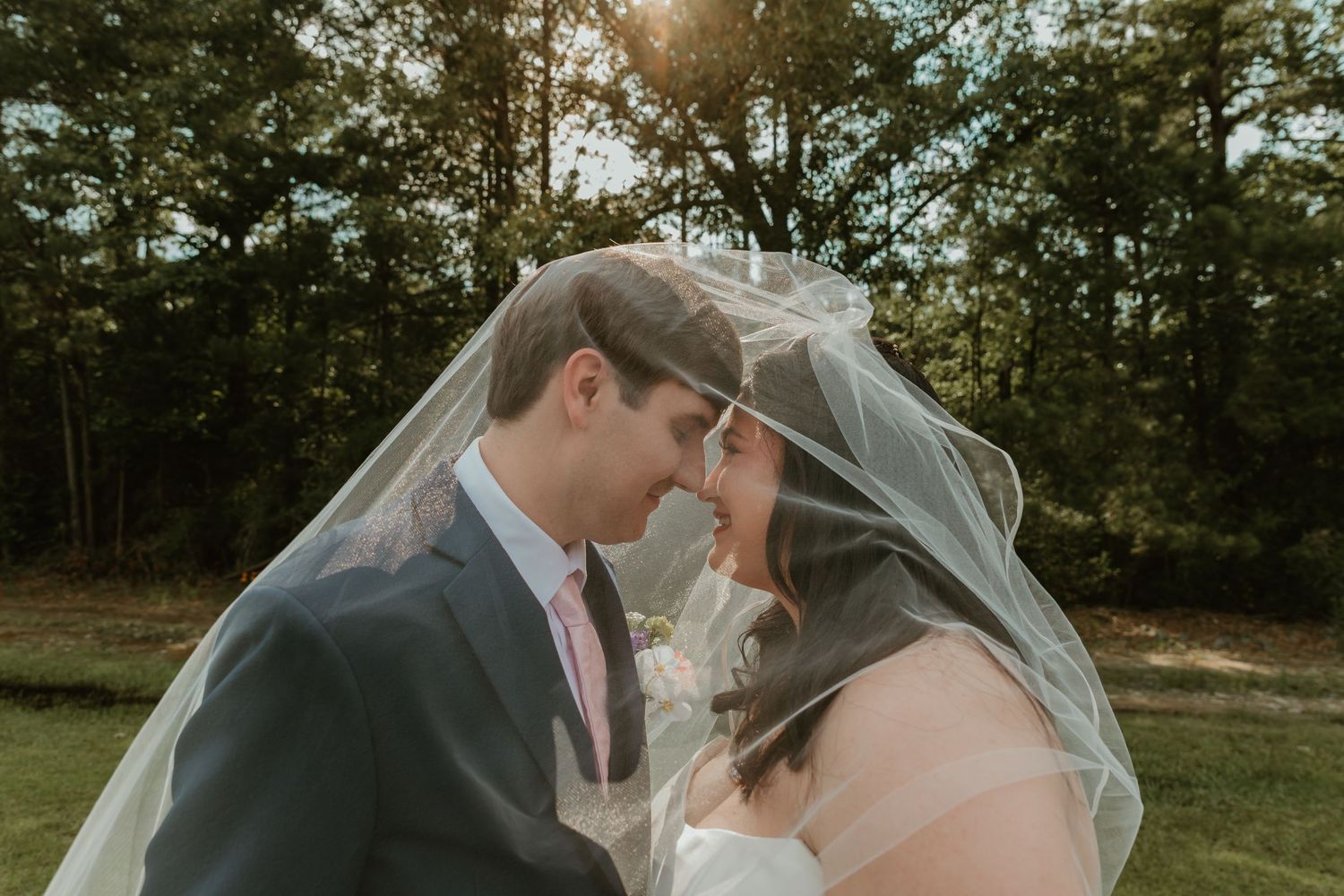
These are the photographs that often end up framed on your walls. During this time, we aren’t chasing perfect poses. We’re creating space for genuine interaction. Walking together. Talking. Laughing. Holding hands. Watching the sunset. The best photographs usually happen between the poses—not during them. Giving yourselves enough time means we can slow down and create images that feel authentic instead of rushed.
⸻
Wedding Party Photos
Recommended Time: 30–45 Minutes
Your wedding party has likely supported you throughout your relationship. This is their chance to celebrate alongside you.
Photos usually include:
- Entire wedding party
- Bridesmaids
- Groomsmen
- Individual portraits
- Fun candid moments
- Traditional portraits
Having everyone ready and present before this portion begins helps keep everything on schedule.
⸻
Family Portraits
Recommended Time: 20–40 Minutes
Family portraits often move much faster when there’s a plan. Before your wedding, create a list of every combination you’d like photographed.
For example:
- Couple with both sets of parents
- Couple with siblings
- Couple with grandparents
- Bride with parents
- Groom with parents
- Immediate family
- Extended family (if desired)
Assign a family member who knows everyone to help gather people. This keeps portraits organized and minimizes waiting.
⸻
The Ceremony
Your ceremony is the heart of your wedding day. Photography during this time focuses on documenting events exactly as they happen. The processional. Your partner’s reaction. The exchange of vows. The rings. The first kiss. The joyful walk back down the aisle. These moments can’t be repeated, which makes them some of the most meaningful photographs you’ll receive.
⸻
Cocktail Hour
If you’ve completed a First Look and most formal portraits beforehand, cocktail hour becomes your opportunity to actually enjoy your guests. Without a First Look, this time is usually reserved for remaining portraits. Neither option is wrong. It’s simply important to know how your decision affects the rest of your day.
⸻
Golden Hour
If there’s one thing I encourage every couple to make time for, it’s golden hour. Golden hour occurs shortly before sunset when the light becomes soft, warm, and flattering. Even stepping away from your reception for fifteen minutes can completely transform your gallery. Many couples tell me these become their favorite images because they’re relaxed, married, and finally able to enjoy a quiet moment together.
⸻
Reception Coverage
Reception photography documents the celebration exactly as it unfolds.
This may include:
- Grand entrance
- First dance
- Parent dances
- Toasts
- Dinner
- Cake cutting
- Anniversary dance
- Bouquet toss
- Garter toss (if included)
- Open dancing
- Private last dance
- Sparkler exit
Every reception is different. Some couples prefer an intimate dinner with family. Others dance until the very last song. Your photography coverage should reflect what matters most to you.
⸻
Sample Wedding Day Timelines
Four-Hour Coverage
Perfect for elopements and intimate weddings.
3:00 pm - Ceremony
3:30 pm - Family portraits
4:00 pm - Wedding party portraits
4:30 pm - Couple portraits
5:30 pm - Reception details & grand entrance
6:00 pm - First dance, toasts, & cake cutting
7:00 pm - Coverage ends
⸻
Six-Hour Coverage
Ideal for smaller weddings.
2:00 pm - Final getting-ready moments
2:30 pm - Dress, rings, & detail photos
3:00 pm - Groom getting ready
3:30 pm - First look (optional)
4:00 pm - Wedding party portraits
4:45 pm - Family portraits
5:30 pm - Ceremony
6:00 pm - Cocktail hour + couples portraits
6:30 pm - Grand entrance
7:00 pm - First dance
7:15 pm - Parents dance
7:30 pm - Toasts
8:00 pm - Cake cutting
8:30 pm - Open dancing
8:00 pm - Coverage ends (adjust based on ceremony time)
⸻
Eight-Hour Coverage
My most popular collection and what I recommend for most weddings.
1:00 pm - Getting ready
1:45 pm - Wedding details
2:30 pm - Bride getting dressed
3:00 pm - Groom getting ready
3:30 pm - First look (optional)
4:00 pm - Wedding party portraits
4:15 pm - Immediate family portraits
5:00 pm - Ceremony
5:30 pm - Reception grand entrance
6:00 pm - First dance
6:15 pm - Parent dances
6:30 pm - Golden hour portraits
7:00 pm - Dinner & toasts
7:45 pm - Cake cutting
8:15 pm - Open dancing
9:00 pm - Private last dance or exit
9:00 pm - Coverage ends
⸻
Ten-Hour Coverage
Best for larger celebrations, multiple locations, cultural traditions, or couples who want nearly every part of the day documented.
11:00 am - Wedding details (dress, rings, invitations, florals, venue)
11:45 am - Bride hair & make up finishing touches
12:30 pm - Bridesmaid PJ photos
1:00 pm - Bride getting ready
1:45 pm - First look with bridesmaids + portraits
2:00 pm - Groom getting ready + portraits
2:30 pm - First look/touch (optional)
3:00 pm - Wedding party portraits
4:00 pm - Immediate family portraits
4:15 pm - Guest arrive
5:00 pm - Ceremony
5:30 pm - Cocktail hour
5:45 pm - Ceremony grand entrance
6:00 pm - First dance
6:15 pm - Parents dance
6:30 pm - Golden hour portraits
7:00 pm - Dinner & toasts
7:45 pm - Cake cutting
8:00 pm - Garter & bouquet toss (if included)
8:15 pm - Open dancing
9:45 pm - Private last dance
10:00 pm - Grand exit
10:30 pm - Coverage ends
⸻
The Biggest Wedding Timeline Mistakes
Some of the most common mistakes I see:
- Scheduling family photos without a list.
- Not accounting for travel time.
- Forgetting sunset changes throughout the year.
- Running hair and makeup too close to the ceremony.
- Trying to fit an entire wedding into only a few hours.
- Not leaving buffer time for unexpected delays.
Building even fifteen extra minutes into key parts of your day can dramatically reduce stress.
⸻
Frequently Asked Questions
Do we really need an engagement session?
While not required, engagement sessions help couples become comfortable in front of the camera before the wedding day. Many couples say they feel far more relaxed because they already know what to expect.
Should we create a shot list?
For family photos, absolutely. For the rest of the day, trust your photographer to document the story naturally while capturing the moments you’ve shared are most important.
What if it rains?
Rain rarely ruins a wedding. Some of the most romantic images I’ve ever captured happened under clear umbrellas, on covered porches, or during a break in the weather. A flexible timeline makes adapting much easier.
Can we customize our timeline?
Absolutely. Every wedding is different, and your timeline should reflect your priorities, traditions, and venue logistics.
⸻
Final Thoughts
Your wedding day will pass more quickly than you can imagine. Months of planning become a single day, and before you know it, you’ll be driving away together as newlyweds. The goal isn’t to spend your entire wedding taking photos. The goal is to create enough space that photography never feels like it interrupts your day. When your timeline is thoughtfully planned, you’re free to be fully present—to laugh, cry, celebrate, and soak in every moment with the people you love. Those are the memories that deserve to be preserved.
If you’re currently planning your Louisiana wedding and aren’t sure how much coverage you need or how to build a timeline that fits your day, I’d love to help. Every couple who books with Jenna DeVille Photo + Film receives timeline guidance designed specifically for their wedding, so you can spend less time worrying about the schedule and more time enjoying the moments that matter most.